
Our dentist evaluates the tooth and surrounding area to determine the best extraction method.
For emergency cases :+044 24981089
Monday - Saturday : 9:30 am - 8:00 pm

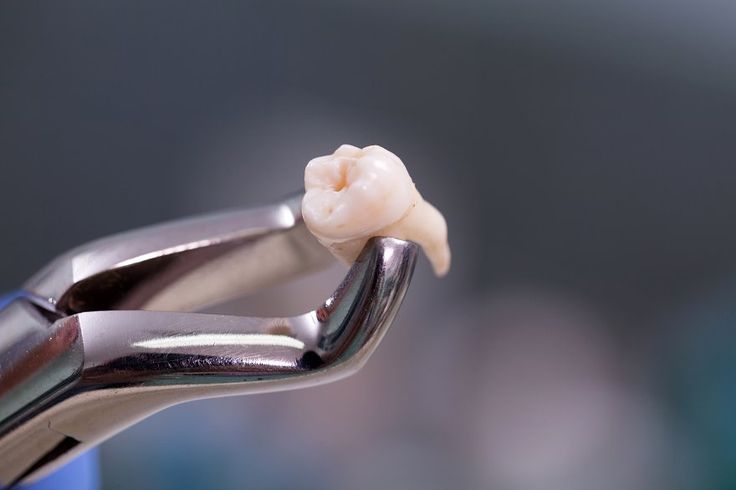
Tooth extraction is recommended when a tooth is severely damaged, decayed, or infected and cannot be saved through other treatments. In some cases, teeth may also need to be removed due to overcrowding or impacted wisdom teeth.
The procedure is performed carefully to ensure patient comfort and safety. Before the extraction, the area around the tooth is numbed to reduce discomfort during the treatment.
After the tooth is removed, the dentist provides instructions to help the area heal properly. Removing a problematic tooth can prevent the spread of infection and protect the surrounding teeth. With proper aftercare, the healing process is usually smooth and comfortable for most patients.
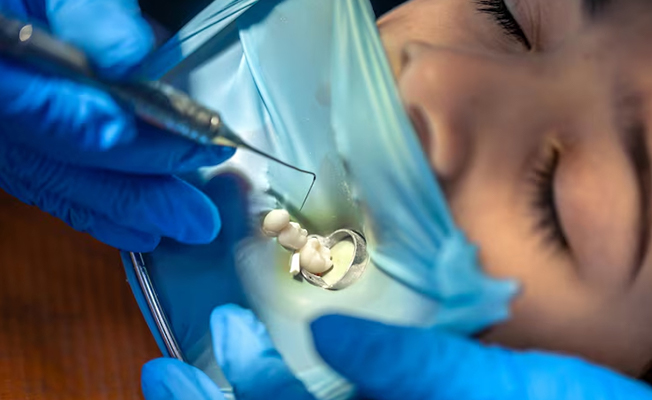
Our dentist evaluates the tooth and surrounding area to determine the best extraction method.

Local anesthesia or sedation is applied, and the tooth is carefully removed.

You receive instructions on care, pain management, and healing to ensure a smooth recovery.
FAQs
If you have questions, book a quick call before getting started.