
Your dentist examines the tooth and takes X-rays to determine the need for periapical surgery.
For emergency cases :+044 24981089
Monday - Saturday : 9:30 am - 8:00 pm


Periapical surgery is a procedure used to treat infection at the tip of a tooth root when a root canal treatment alone cannot completely remove the infection.
In this procedure, the dentist gently lifts the gum tissue to reach the infected area around the root of the tooth. The infected tissue is carefully removed, and the end of the root is sealed to prevent further infection. This treatment helps save the natural tooth and prevents the infection from spreading to nearby tissues.
Periapical surgery is usually recommended only when other treatments have not been successful. The procedure is performed with precision to ensure effective healing. With proper care, the treated tooth can continue to function normally.
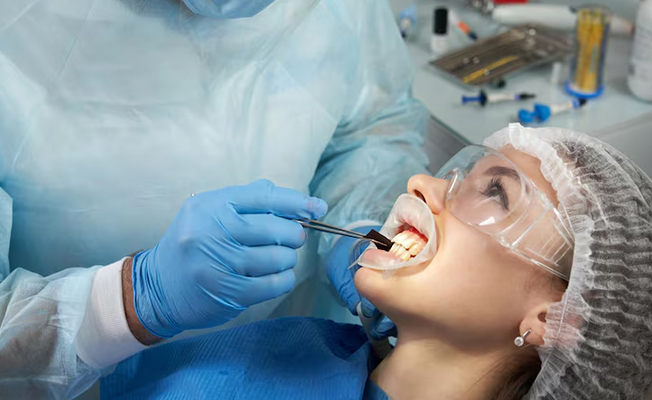
Your dentist examines the tooth and takes X-rays to determine the need for periapical surgery.
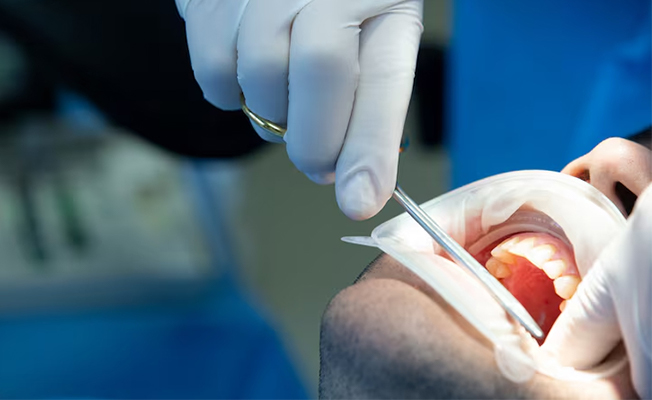
The gum is gently lifted, the infected tissue is removed, and the root tip is sealed to prevent further infection.
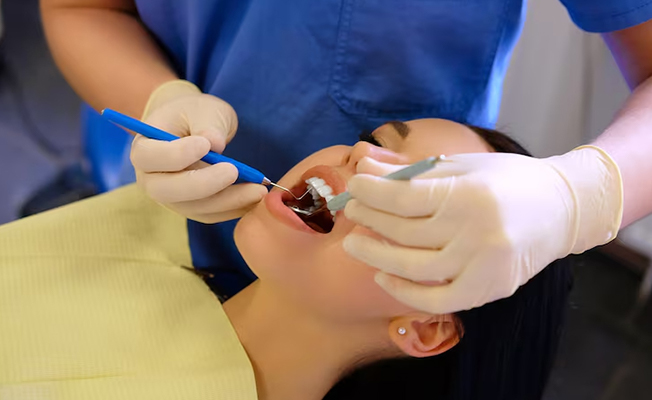
Post-operative instructions are given, and follow-up visits ensure proper healing and tooth preservation.
FAQs
If you have questions, book a quick call before getting started.
Fill in the details below and we will get back to you shortly.